How Long Do Timber Windows Last? Lifespan, Care and Signs
Modern, factory-finished timber windows typically last 56 to 65 years, according to Heriot-Watt University research for the Wood Window Alliance. Well-maintained traditional sash windows often pass 100 years. The difference comes down to timber quality, good joinery, a sound paint finish and simple, regular maintenance. The paint is flaking on the bottom rail, one sash rattles in the wind, and you're wondering whether your windows have a few good years left or need replacing now. Or you're weighing up timber against uPVC and want to know if wood is really worth it.
Key Takeaways
- Modern timber windows last around 56–65 years, depending on exposure, based on Heriot-Watt University's whole-life study.
- Historic timber windows can last indefinitely if properly maintained, says Historic England, because they were usually made from durable, high-quality timber.
- uPVC frames have a shorter service life: 25–35 years in the same study, and under 25 years according to Historic England.
- Paint is the frame's armour. Repainting every few years, plus a yearly check, is what keeps timber going for decades.
- Most problems are repairable. Rot in a sill or bottom rail can often be cut out and spliced, and a misted glass unit can be replaced without changing the frame.
- The sealed glass unit usually wears out before a good timber frame does.
How long do timber windows last?
A well-made modern timber window lasts around 56 to 65 years. That's the expected service life in Whole Life Analysis of timber, modified timber and aluminium-clad timber windows (Dr Gillian Menzies, Heriot-Watt University, 2013), commissioned by the Wood Window Alliance.
The study assumed factory-finished windows made from preservative-treated softwood. It gave three figures based on how exposed the window is:
- Mild exposure (sheltered or part-sheltered, inland, low altitude): 65 years
- Moderate exposure: 59 years
- Severe exposure (part-sheltered or exposed positions in exposed rural locations): 56 years
Most London homes sit towards the mild end. A sheltered rear casement in Pinner will usually have an easier life than a south-west-facing bay on an exposed hilltop in the Chilterns.
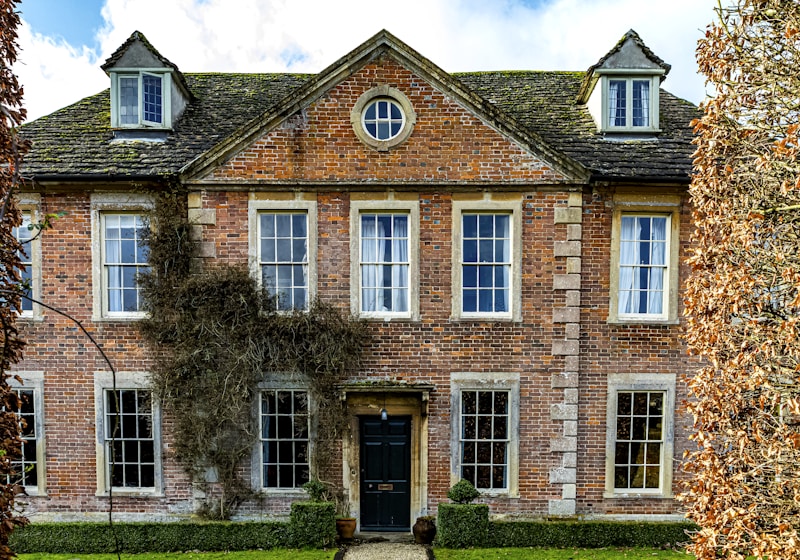
Traditional timber windows can last far longer. Historic England says properly maintained historic timber windows "can last indefinitely", and that well-maintained traditional windows often survive for over 100 years. Lewisham Council's guidance on historic windows makes the same point: original windows may be 100 or more years old and, once overhauled and repaired, can last a lot longer.
Timber vs uPVC windows: lifespan at a glance
| Feature | Timber windows | uPVC windows |
|---|---|---|
| Expected frame life | 56–65 years (modern, factory-finished) | 25–35 years (Heriot-Watt study assumption); under 25 years (Historic England) |
| Historic examples | Often 100+ years when maintained | Not applicable (uPVC windows only became common from the late 20th century) |
| Maintenance | Check yearly, repaint or recoat every few years | Low; mostly cleaning |
| Can the frame be repaired? | Yes: rot can be cut out, joints re-glued, parts spliced and repainted | Limited; damaged frames are usually replaced |
| Can the colour be changed? | Yes, by repainting | Limited |
| Suits listed buildings and conservation areas | Usually, with the right profile | Often refused or restricted |
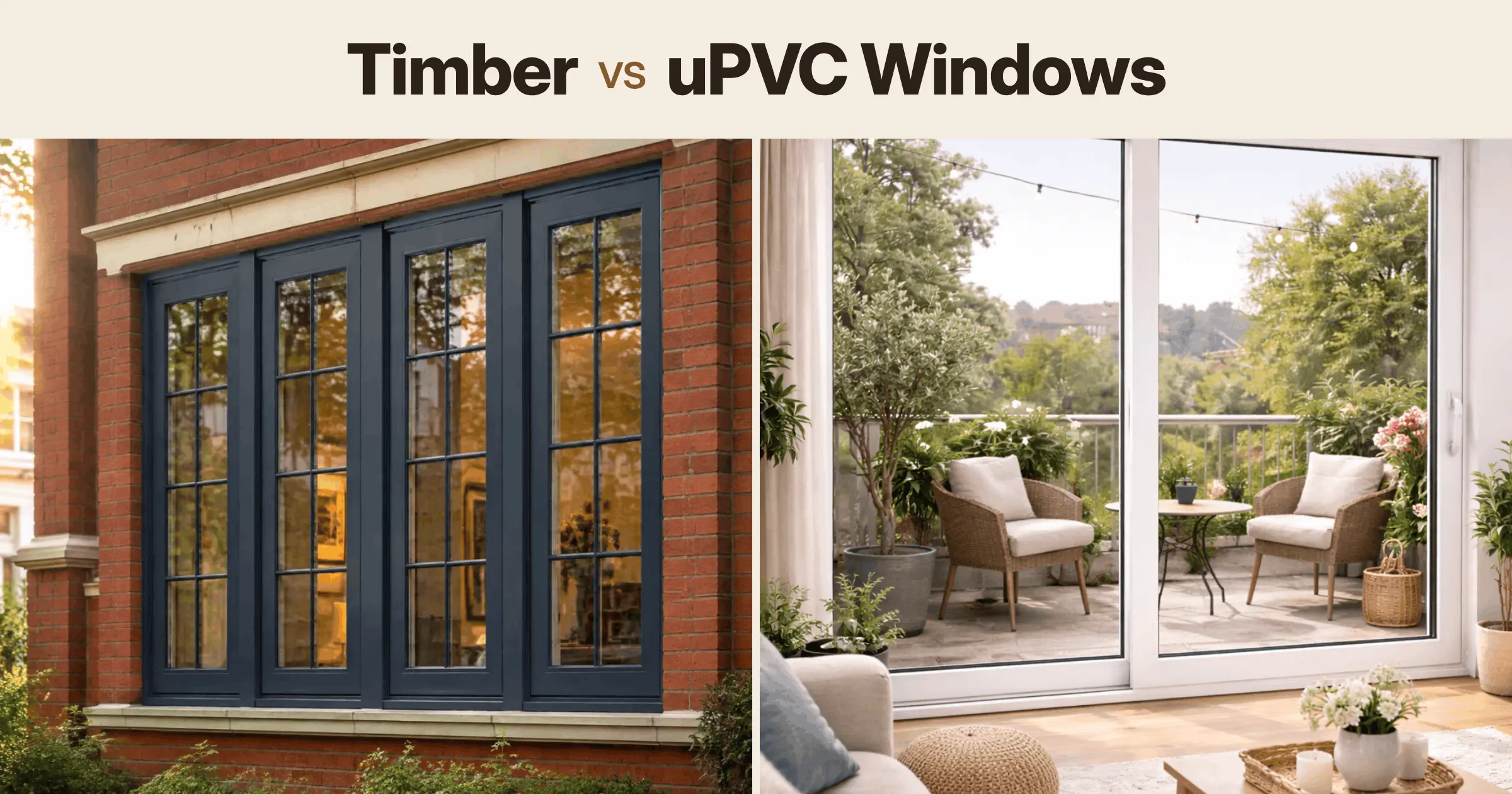
In short, uPVC needs less routine care, but when it fails the frame usually goes. Timber asks for a little attention every few years and can be repaired again and again.
What affects how long timber windows last?
Moisture is timber's main enemy, so anything that keeps water out of the wood extends its life. Six factors make the difference.
- Timber quality. Dense, well-seasoned joinery timber resists decay better. Modern windows rely on carefully selected and treated timber, or naturally durable hardwoods.
- Joinery design. Sloped sills, drip grooves, well-shaped glazing beads and sealed end grain shed water instead of trapping it. Poorly detailed joints are where rot usually starts.
- The finish. A good microporous paint or stain lets moisture vapour escape whilst keeping rain out. Factory-applied finishes are more consistent than a site-painted first coat.
- Exposure and orientation. South- and west-facing windows take the most sun and driving rain, so their finish wears faster.
- Installation. A window fitted square, sealed properly to the wall and with a working sill keeps water away from the frame's weakest points.
- Maintenance. This is the factor you control. A cracked joint or bare patch caught early costs very little to fix.
Why do old sash windows outlast many modern ones?
Many original sash windows were made from slow-grown, very dense timber that resists rot better than much of what's available today. Historic England notes that historic windows were often made "from more durable timber than we have today", and Lewisham Council's guidance explains that joinery timber was grown slowly and dried slowly, which made it very dense.
That doesn't make new windows second-rate. Today's makers have to work harder on detailing, treatment and finish, which is what the Heriot-Watt figures assume. A cheaply made window with poor joints and thin paint won't come close to 60 years. And a Victorian or Edwardian timber sash window with sound timber under tired paint is often worth keeping.
How do you maintain timber windows? A six-step routine
Timber windows need a quick yearly check and a fresh coat of paint or stain every few years. Follow these steps once a year, ideally in late spring or early autumn when the timber is dry.
- Inspect every window. Look at sills, bottom rails and the corners of each joint, where water collects. Note any cracked, flaking or bare paint.
- Clean the frames. Wash with mild soapy water and a soft cloth. Clear out drainage channels and remove any algae or moss, which is common on north-facing windows.
- Fill and seal small cracks. Treat open joints, hairline cracks and gaps around the glass promptly, before water gets behind the paint.
- Recoat when the finish wears. Lewisham Council suggests traditional timber windows typically need repainting every three to five years. Quality modern factory finishes usually last longer before a maintenance coat is needed. In the Heriot-Watt study, maintenance intervals ranged from four years (severe exposure) to eight years (mild exposure).
- Look after the moving parts. Lightly lubricate hinges, stays and locks. On sash windows, check the cords for fraying and make sure the sashes slide freely.
- Check the draught seals. Worn seals let in draughts and moisture. The Energy Saving Trust notes that foam strips don't work well on sliding sash windows and recommends brush strips or a professional instead.
Why seals matter: Historic England's draught-proofing guidance says draught-proofing can cut air leakage from windows by 33% to 50%, and less than a quarter of the heat lost through a typical traditional window goes through the glass.
A simple maintenance calendar
| How often | What to do |
|---|---|
| Every year | Inspect, clean, clear drainage, lubricate hardware, check seals and sash cords |
| As soon as you spot it | Fill cracks, touch up bare or flaking paint |
| Every 3–5 years (traditional paint) | Sand and repaint |
| When a factory finish starts to wear | Apply a maintenance coat (often a longer interval on sheltered elevations) |
| When the glass mists between panes | Replace the sealed glass unit, not the whole window |
Signs your timber windows need attention
Soft timber, paint that won't stay on, and windows that stick or rattle are the most common warning signs. Here's what to look for, and what each usually means.
- Soft or spongy wood. Press the sill and bottom rail with a screwdriver. If the tip sinks in easily, there's rot.
- Flaking or blistering paint. Moisture is usually getting into the timber behind it.
- Open joints or cracks at the corners. Water gets in here first.
- Sticking, rattling or hard-to-open sashes. Often swollen timber, built-up paint, worn cords or tired hardware rather than a failed frame.
- Draughts. Usually worn seals that draught-proofing can fix.
- Misting between the panes. The double-glazed unit's seal has failed. Historic England notes that double and triple glazing typically needs replacing about every 30 years, so the glass can wear out long before a good frame.
- Small round holes or fine dust. Possible insect activity. Get it checked.
- Rot through a whole frame, or a frame twisted out of square. This is when replacement usually makes sense.
Should you repair or replace timber windows?
Repair if the rot is localised and the frame is sound; replace if the decay is widespread, the frame is distorted, or repairs would cost close to a new window. Historic England describes complete replacement of historic windows as "a last resort" and says repairs by a skilled joiner using the right materials usually last longer than modern replacements.
| Situation | Usually the best option |
|---|---|
| Flaking paint, sound timber | Prepare and repaint |
| Rot in one sill or bottom rail | Cut out and splice in new timber |
| Broken sash cords or sticking sashes | Overhaul: new cords, ease and adjust |
| Misted double-glazed unit | Replace the glass unit |
| Rot in several parts of the frame | Get a survey; part or full replacement |
| Frame twisted, joints failing throughout | Replace the window |
| Single glazing in a home that's always cold | Consider replacement, or draught-proofing and secondary glazing for listed buildings |
Check permissions first if your home is listed or in a conservation area. The Planning Portal explains that listed buildings need listed building consent for significant works, and that an Article 4 Direction can remove permitted development rights. Repairs and repainting usually don't need permission.
When windows are replaced, ask for a FENSA certificate. It shows the installation complies with Building Regulations, and you'll need it when you sell your home.
From our joinery bench
We surveyed a Victorian terrace in Harrow where the owners had been told all eight of their box sash windows needed replacing. Under the paint, six were sound: the timber was dense original pine, and the problems were broken cords and worn draught seals. The two front bay sashes faced south-west and had rot running through the sills and bottom rails. We recommended replacing just those two, made to match the original mouldings and glazing bars, and overhauling the rest. The owners kept most of their original windows, and the front elevation still looks the way it did in the 1890s.
For architects and builders: specifying for a long service life
The Heriot-Watt service-life figures assume good joinery practice, so the specification needs to deliver it. Points worth covering:
- Timber and treatment. The study assumed preservative-treated joinery softwood, made to recognised standards (it references BS EN 942 for joinery timber). For hardwoods, confirm species durability and sourcing.
- Factory finishing. Specify a factory-applied microporous system, with all faces and end grain sealed before delivery.
- Exposure category. Match the coating system and maintenance interval to the elevation. The study's interval runs from eight years (mild) to four years (severe).
- Detailing. Sloped sills with drips, sill horns or stub ends sealed, glazing beads that shed water, and drained, ventilated glazing rebates.
- Site protection. Store windows off the ground and covered, protect frames during plastering and other wet trades, and avoid trapping moisture behind them.
- Maintenance handover. Give the client a written care schedule. It's the cheapest way to protect the specification.
We supply sash, casement, flush casement and bay windows, plus timber doors, with heritage-friendly profiles for conservation work across London and the Home Counties. For drawings, specifications or a trade price, contact us through our contact page or call 020 8050 4987.
For homeowners: how our windows are built to last
Long life starts in the workshop. Every window and door we make is manufactured in our own Harrow joinery and fitted by our own team through our window and door installation service.
- Made to exact measurements, never cut from stock sizes, so there are no gaps for water and draughts.
- Softwood or hardwood, chosen to suit your property, budget and finish, with a factory-applied microporous paint or stain.
- A 25-year timber insect guarantee. It covers the timber against insect attack; it isn't a lifespan figure, which still depends on exposure and care.
- FENSA registered and a CERTASS member, so your installation is certified as compliant with Building Regulations.
The same care goes into our entrance doors, French doors and stable doors.
Timber windows lifespan: frequently asked questions
How long do timber windows last compared with uPVC?
Modern timber windows last around 56 to 65 years, according to Heriot-Watt University research for the Wood Window Alliance. The same study assumed 25 to 35 years for uPVC, and Historic England puts uPVC at under 25 years. Timber also has the advantage that damaged parts can usually be repaired rather than the whole frame replaced.
How often should timber windows be painted?
Traditional painted timber windows typically need repainting every three to five years, according to Lewisham Council's historic windows guidance. Quality factory-applied finishes usually last longer before a maintenance coat is needed. South- and west-facing windows wear fastest, so check them every year and touch up bare patches straight away.
Can rotten timber windows be repaired?
Yes, in most cases. Localised rot in a sill, bottom rail or joint can be cut out and replaced with a spliced-in section of new timber, then filled and repainted. Historic England says repairs by a skilled joiner using the right materials usually outlast modern replacements. Widespread rot or a twisted frame is usually the point to replace.
How do I know if my timber windows are rotten?
Press the sill, bottom rail and corner joints with a screwdriver. Sound timber resists; rotten timber feels soft and spongy and the tip sinks in. Other signs include paint that keeps flaking in the same spot, dark staining, open joints and a musty smell. Catching rot early keeps the repair small.
Do hardwood windows last longer than softwood?
Not automatically. Some hardwoods are naturally more durable, but service life depends on the species, treatment, joinery detailing and finish. The Heriot-Watt study's 56 to 65 year figures were based on preservative-treated softwood windows. A well-detailed, well-finished softwood window can outlast a poorly made hardwood one.
Why is there condensation between the panes of my timber window?
Misting between the panes means the seal on the double-glazed unit has failed and moisture has got into the cavity. It's a problem with the glass unit, not the timber. The unit can usually be replaced without changing the frame. Historic England notes that double glazing typically needs replacing about every 30 years.
Do I need permission to replace timber windows in a conservation area?
Often, yes, if your home is listed or covered by an Article 4 Direction. The Planning Portal explains that listed buildings need listed building consent for significant works, and Article 4 Directions can remove permitted development rights. Repairs and repainting usually don't need permission. Check with your council before ordering replacements.
Conclusion: how long will your timber windows last?
So, how long do timber windows last? A well-made modern timber window should give you 56 to 65 years, and a well-cared-for traditional sash can pass a century. The windows that reach those numbers have three things in common: good timber, careful joinery and a finish that's looked after.
If your windows are showing their age, start with an honest assessment. Some will only need paint and new cords; others will be ready for replacement. Either way, you'll know where you stand.
Want an Honest View of Your Windows?
Book a survey and get a confirmed price. Your 10% deposit books the survey and comes off the total when you order, so the survey is effectively free. Request your free quote today, or call 020 8050 4987 to talk through your windows.